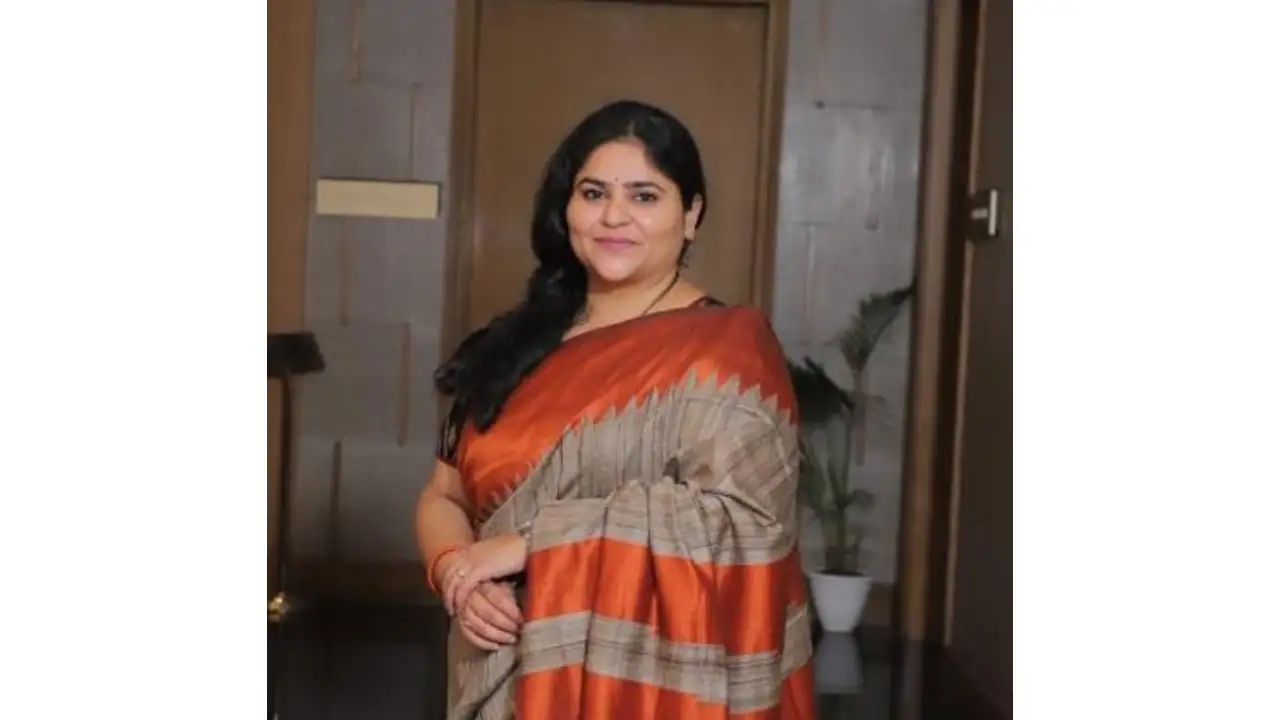


1. What inspired you to explore coaching or training, and what does this journey mean to you personally at this stage of your life?
My journey into coaching began as self-healing and evolved into service. At this stage of my life, it is a path of alignment—where inner clarity, ethical practice, and contribution come together.
2. How do you currently define yourself-as a professional, a learner, and a future coach or trainer?
Currently, I define myself as a committed learner with professional accountability. I am building myself as a future coach or trainer who values depth over display, process over promises, and ethical impact over quick results.
3. What beliefs or mindset shifts have most influenced your decision to step into the coaching or training space?
I shifted from a results-only mindset to a process-oriented mindset. I learned that sustainable change happens when people feel seen, heard, and accountable to themselves. This belief reshaped how I engage with others and led me naturally into the coaching.
4. When you think about your future as a coach or trainer, what kind of impact do you want to create, even if it still feels evolving?
My intention is to help people move from confusion to clarity and from reactivity to awareness. As my journey unfolds, I wish to integrate modern coaching tools with timeless Indian wisdom, enabling individuals to live with balance, discipline, and purpose.
5. What does “success” mean to you right now, beyond money or titles?
Success to me is inner stability, conscious action, and alignment with my values—independent of money or titles.
6. How aware are you of your own strengths, blind spots, and growth areas as a beginner in this profession?
As a beginner, I try to observe myself honestly. I am aware of my strengths, yet equally mindful of my limitations. My blind spots are part of my learning, and recognizing them keeps me grounded, receptive to guidance, and disciplined in practice.
7. What inner challenges-such as self-doubt, confidence, or consistency-are you consciously working on?
My inner work currently centers on observing self-doubt and managing emotional fluctuations. I am learning to stay steady even when outcomes are uncertain. Building quiet confidence through practice, patience, and discipline is an ongoing focus for me.
8. How do you currently invest in your own learning, self-development, and skill building?
I invest consistently rather than intensively—through regular learning, supervised practice, reflection on sessions, and gradual skill-building. I focus on applying what I learn, observing results, and refining my approach
9. What values or principles do you want your coaching or training practice to be known for in the long run?
i want my work to stand for ethical practice, deep listening, cultural sensitivity, and sustainable change. My focus is on process, presence, and accountability—so people feel supported yet empowered to take ownership of their growth.
10. How do you see your personal identity evolving as you grow from a learner into a professional coach or trainer?
I see my identity evolving from learning through experience to living through awareness. Even as I take on greater professional responsibility, I wish to remain inwardly simple, receptive, and grounded. The outer role may expand, but the inner posture remains that of a seeker.
11. What does integrity and ethical practice mean to you, especially as someone just entering this field?
Integrity, to me, begins with inner honesty—knowing where I am capable and where I am still learning. Ethical practice means working within my competence, honoring trust, and ensuring that my intentions remain clean. Especially at this stage, it also means learning patiently rather than rushing to be seen as an expert.
12. How do you balance learning techniques and tools with developing presence, empathy, and self-awareness?
I see techniques as outer instruments and presence as the inner foundation. I study tools with discipline, while developing empathy and self-awareness through observation, silence, and reflection. When awareness deepens, tools naturally find their right place.
13. What kind of support, environment, or mentorship do you believe will help you grow sustainably in this profession?
I feel supported best in an environment where guidance is firm yet compassionate, and learning is gradual. A mentor who can offer direction, correction, and perspective—along with a disciplined, value-based learning space—will help me mature sustainably in this profession
14. If you look five years ahead, what kind of coach or trainer do you genuinely aspire to become-and why?
In five years, I aspire to be a coach who embodies balance rather than display. I wish to integrate modern coaching skills with timeless Indian wisdom, guiding people toward clarity, discipline, and inner stability. I aspire to this because I believe true growth is gradual, conscious, and rooted in values.