
1. What inspired you to explore coaching or training, and what does this journey mean to you personally at this stage of your life?
Coaching wasn’t something I discovered suddenly. It emerged gradually, through years of leading teams in high-pressure hospitality environments and noticing a recurring pattern: people weren’t struggling because they lacked skill, but because they lacked clarity, confidence, and emotional support.
At this stage of my life, coaching feels like a conscious choice rather than an experiment.
I’ve accumulated enough experience, mistakes, cultural exposure, and perspective to step back from “doing” and start guiding. It’s meaningful because it allows me to turn pressure into wisdom, and experience into something that genuinely helps others breathe, think, and lead better.
2. How do you currently define yourself as a professional, a learner, and a future coach or trainer?
Professionally, I define myself as an ex-hospitality leader with a strong operational backbone and a deep understanding of people dynamics. I’ve spent over 25 years inside the industry, across multiple countries and cultures, which gives me both credibility and humility, to apply in my newly created Advisory & Coaching practice.
As a learner, I remain curious and grounded. I don’t assume that experience alone is enough. I actively study emotional intelligence, leadership psychology, communication, and coaching frameworks to sharpen my impact.
As a future coach and trainer, I see myself as a calm, steady presence. Someone practical, not theoretical. Someone who doesn’t impose answers, but helps people access their own clarity with my natural and experienced approach.
3. What beliefs or mindset shifts have most influenced your decision to step into the coaching or training space?
What inspired me to explore coaching and training actually goes back to a much earlier moment in my life. When I was younger and had to choose my academic path, I was deeply drawn to psychology. I was fascinated by human behaviour, emotions, and what drives people to act the way they do. However, at the time, the job market realities led me to choose hospitality management instead, as it offered far broader and more immediate professional opportunities.
Over the years, hospitality became my classroom. Working in high-pressure environments, across different countries and cultures, I found myself constantly drawn to the people’s side of leadership, how teams function under stress, how communication breaks down, and how emotional intelligence often matters more than technical skill. Without realising it, I was applying psychological principles daily, just in a very practical, operational context.
At this stage of my life, stepping into coaching and training feels less like a career change and more like a return. It brings together my early interest in psychology with over 25 years of real-world leadership experience. Personally, this journey means alignment. It’s about transforming experience into purpose and supporting others not just to perform better, but to lead with more clarity, calm, and self-awareness.
4. When you think about your future as a coach or trainer, what kind of impact do you want to create, even if it still feels evolving?
I want to help leaders feel less alone in their role. Many carry responsibility silently and feel they must always appear strong. My impact is about creating space for reflection, emotional
clarity, and grounded decision-making.
If someone becomes a calmer leader, their teams feel safer, guests feel better served, and the business performs more consistently. That ripple effect matters deeply to me.
5. What does “success” mean to you right now, beyond money or titles?
Success means alignment. Doing work that reflects who I am, not just what I’ve done. It means waking up without internal resistance, knowing that my work has purpose and
integrity.
It also means balance: being able to serve others without burning myself out, and building something sustainable rather than impressive on paper.
6. How aware are you of your own strengths, blind spots, and growth areas as a beginner in this profession?
I’m very aware that while I’m experienced as a leader, I’m still evolving as a coach. My strengths are empathy, calm presence, real-world relevance, and the ability to see patterns
quickly.
My growth areas are around formal coaching structures, pacing, and trusting the process rather than over-delivering. I see this awareness as a strength, not a weakness.
7. What inner challenges such as self-doubt, confidence, or consistency are you consciously working on?
Self-doubt occasionally shows up, especially when stepping into a new professional identity. Not because I lack experience, but because I care deeply about doing things properly.
I actively work on trusting my voice, staying consistent in my message, and allowing growth to be gradual rather than forced. Calm leadership applies to myself as much as to my clients.
8. How do you currently invest in your own learning, self-development, and skill building?
I invest through structured learning, reflective practice, and real conversations. I study coaching methodologies, leadership psychology, and emotional intelligence, but I also learn by listening deeply to people’s lived experiences.
I reflect regularly on my own leadership patterns and seek feedback. Growth, for me, is both intellectual and internal.
9. What values or principles do you want your coaching or training practice to be known for in the long run?
Integrity, honesty, transparency,calmness, clarity, and practicality.
I want my work to feel safe, grounded, and honest. No hype, no empty motivation. Just real conversations that lead to real change. Trust is central. If someone trusts me with their challenges, that responsibility is never taken lightly.
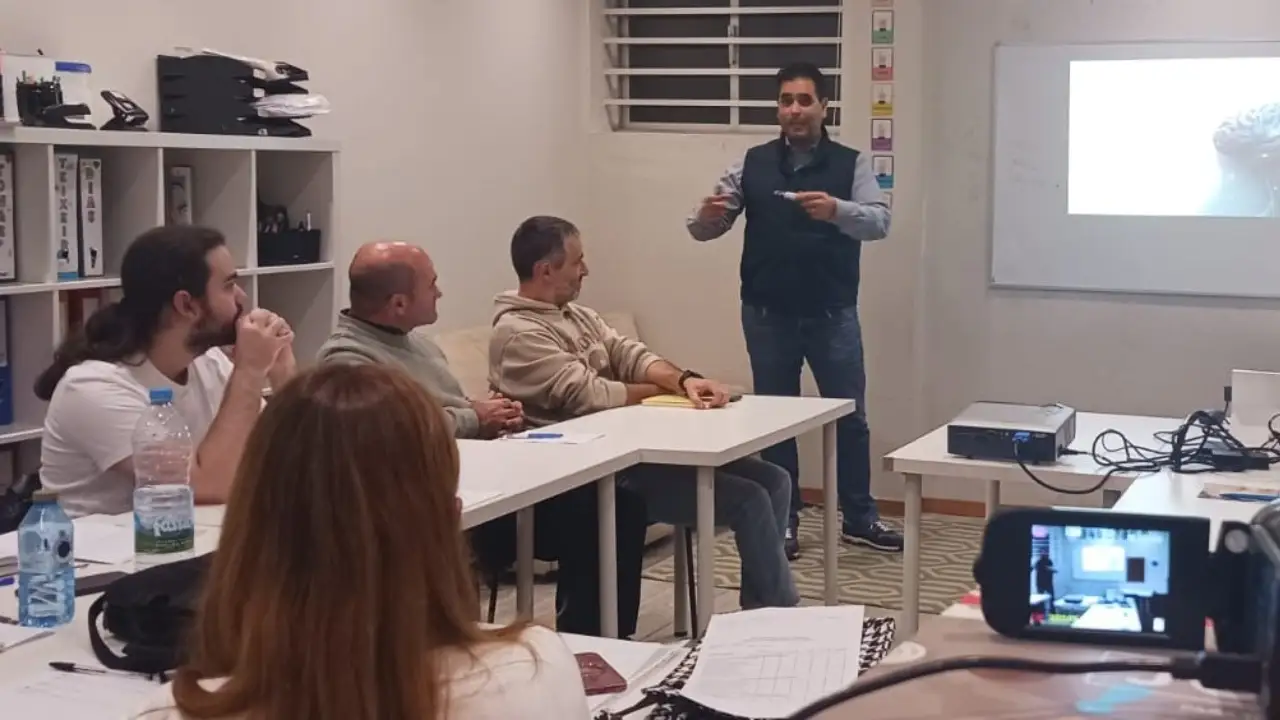
10. How do you see your personal identity evolving as you grow from a learner into a professional coach or trainer?
I see myself becoming more spacious, less attached to proving anything. Moving from expertto guide. From solving to facilitating.
My identity will evolve from being the person who knows, to the person who helps others see themselves more clearly.
11. What does integrity and ethical practice mean to you, especially as someone just entering this field?
Integrity means staying within my scope, being transparent about what I offer, and never positioning myself as someone who has all the answers.
Ethical practice also means respecting confidentiality, emotional boundaries, and the pace of each individual. Coaching is not about fixing people. It’s about supporting them responsibly.
12. How do you balance learning techniques and tools with developing presence, empathy, and self-awareness?
Tools matter, but presence matters more. A perfectly structured session means little if the person doesn’t feel seen or heard.
I consciously balance both by grounding myself before sessions, listening more than speaking, and reflecting afterwards. Techniques support the work, but presence carries it.
13. What kind of support, environment, or mentorship do you believe will help you grow sustainably in this profession?
I value mentorship that challenges me while respecting my experience. An environment where reflection is encouraged and growth isn’t rushed.
Peer dialogue, supervision, and continued learning are essential for me to grow without losing grounding or authenticity.
14. If you look five years ahead, what kind of coach or trainer do you genuinely aspire to become, and why?
In five years, I aspire to be known as a calm, trusted guide for hospitality leaders, aspiring leaders and beyond. Someone that people turn to not when things are loud, but when they
need clarity.
I don’t aspire to scale endlessly. I aspire to depth, reputation, and impact. To build a body of work that reflects wisdom, not urgency.