
There is no shortage of advice about personal branding. Most of it is vague. It tells you to be authentic, to tell your story, to show up consistently. None of that is wrong. But it is incomplete in a way that leaves most people uncertain about what to do on Monday morning.
This guide is specific. It is written for coaches, consultants, and founders operating in the Indian market, where the personal branding landscape has changed significantly in the past three years.
Why Personal Branding Matters More in India Right Now?
India added roughly 50 million internet users in 2024 alone. LinkedIn’s Indian user base is now the second largest in the world. Short-form video has created distribution channels that did not exist five years ago. The barrier to visibility has dropped. The barrier to credibility has not.
That gap is where personal branding lives. Anyone can post content. Fewer people can build a presence that makes someone say: I want to work with this person specifically.
Step 1: Be Specific About Who You Help and How
The most common mistake in personal branding is generalism. Coaches describe themselves as helping people live their best lives. Consultants say they work across industries. This repels the exact clients you want.
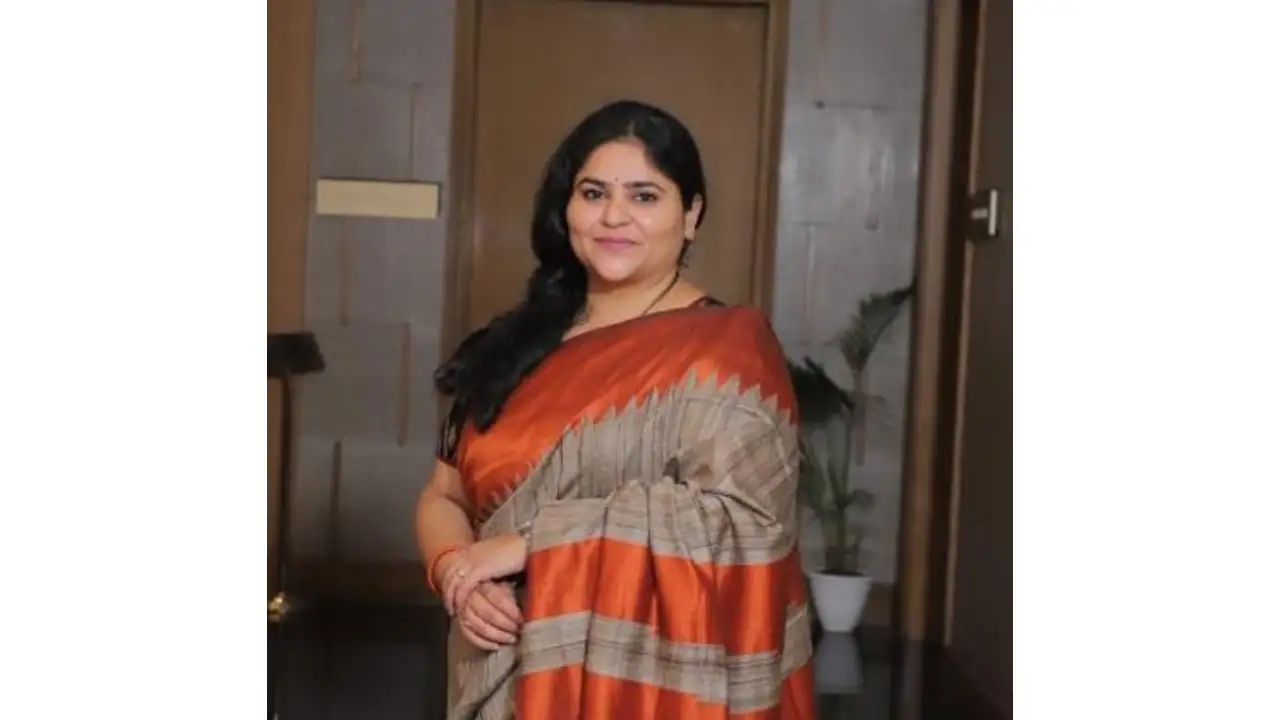
The more specific your positioning, the easier it is for the right person to find you and for them to understand immediately why you are the person they need. Niharika Sahu does not call herself a life coach. She is a parenting systems architect. That specificity is a magnet.
Step 2: Choose One Platform and Own It
You do not need to be everywhere. You need to be deeply present in one place where your clients already spend time. For most B2B coaches and consultants in India, that platform is LinkedIn. For coaches targeting parents or young adults, Instagram often outperforms it.
Post five times per week for six months before evaluating whether the platform is working. Most people quit at six weeks and conclude that personal branding does not work for them.
Step 3: Earn Third-Party Credibility
Content you publish yourself is valuable. Content published about you by someone else carries a different weight entirely. Podcast appearances, media features, expert quotes in articles, and inclusion in lists like Best Coaches in India 2026 signal to potential clients that others have already evaluated and endorsed you.
This is precisely the role that platforms like Brand Authority Story serve. A feature in a respected publication is a credibility signal that your own posts cannot replicate.
Step 4: Build in Public, Not Just in Private
Share your process, not just your results. Document a client transformation with their permission. Write about something you tried that did not work and what you learned. The coaches who build the strongest personal brands in India are the ones who treat their own practice as content.
Step 5: Protect Your Reputation as Actively as You Build It
Respond to comments and messages. Acknowledge critical feedback in a measured way. Do not post content you would not stand behind in a direct conversation. Personal brands are faster to damage than to build, and the internet has a long memory.
Consistency over intensity is the rule. Someone who publishes two thoughtful pieces a week for two years will always outperform someone who publishes twenty pieces in a burst and disappears.
If you are a coach, consultant, or founder building your personal brand in India, Brand Authority Story features emerging professionals and established voices in its interview section. Submit your story at brandauthoritystory.com